By appointment only. Call or text (971) 374-4572 before you visit.

Add seaweed to any coral order for free standard shipping.

Educational Center

Reef care, explained plainly.

Short, practical guides from the shop: checking your water, acclimating new arrivals, placing and feeding corals, and caring for a pond through Oregon?s seasons.

Check your water

How do your numbers look?

Type in your latest test results. Each one is checked against the ranges we recommend for a thriving reef. Nothing you enter leaves this page.

Enter a result to see where it sits.

  • 0 in range
  • 0 low
  • 0 high
SG

Target 1.024?1.026

Not tested

?F

Target 75?78?F

Not tested

pH

Target 8.1?8.4

Not tested

dKH

Target 8?9 dKH

Not tested

ppm

Target 380?450 ppm

Not tested

ppm

Target 1,300?1,450 ppm

Not tested

ppm

Target 10?30 ppm

Not tested

ppm

Target 0.01?0.1 ppm

Not tested

ppm

Target Undetectable

Not tested

ppm

Target Undetectable

Not tested

Want us to test it? Bring a water sample to your visit and we?ll message you the results.

Text us to book a visit

Start here

A path for your first reef.

New to saltwater? Take it in this order. Each step gives the next one a better chance.

  1. 1

    Let the tank cycle

    Before livestock, the tank needs bacteria that turn ammonia into nitrate. Wait until ammonia and nitrite both test at zero.

  2. 2

    Add a cleanup crew

    Snails and shrimp, like turban snails and skunk cleaners, graze algae and pick up leftovers.

  3. 3

    Start with forgiving corals

    Daisy Coral, Blastomussa and bubble corals tolerate small mistakes while you learn.

  4. 4

    Move up as it matures

    Fleshy LPS like Goniopora and Acanthophyllia do best in stable, mature systems. Save SPS until your numbers hold steady.

Care guides

From the shop notes.

What we tell customers at the counter, written down. Questions? Ask us.

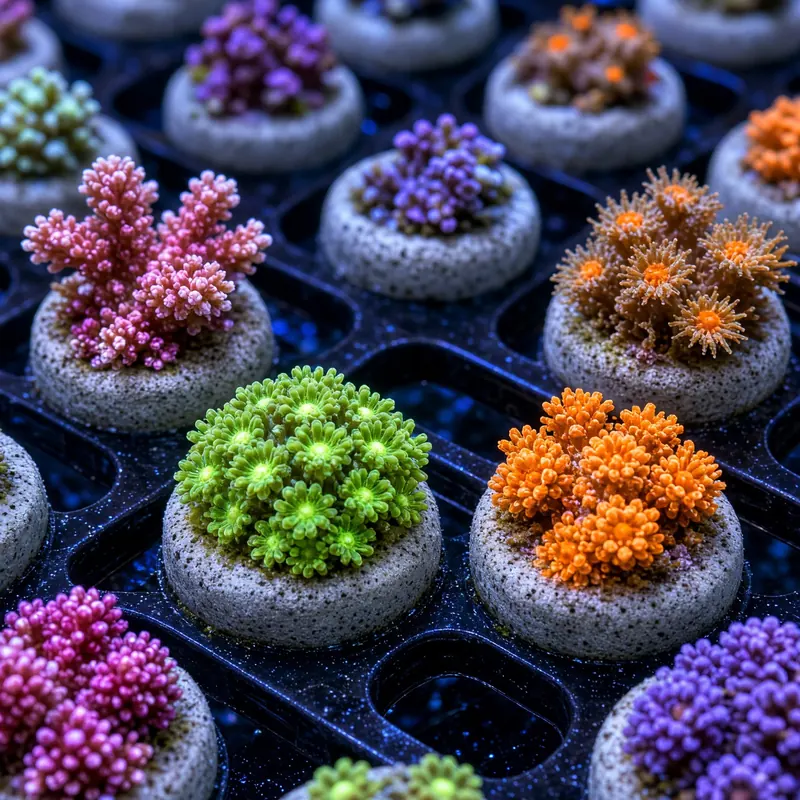
Coral frags on ceramic plugs on a frag rack

Corals & fish3 min read

How to acclimate new corals and fish

Moving from our tanks to yours is the most stressful day in a new animal?s life. A slow, steady acclimation makes the difference.

  1. Float the sealed bag in your tank until the temperature matches.
  2. Drip acclimate. Let tank water drip slowly into a container with the animal. Most corals need 30?60 minutes; shrimp, snails and sea stars do best with 45?60 minutes or more.
  3. Dip new corals to knock off hitchhiking pests before they reach your display.
  4. Move the animal, not the bag water, into your tank.
  5. Start corals lower and shaded, then move them up as they settle and open.

Shipped frag? Leave it on its plug for at least 5 days. That keeps your Livestock Protection Promise valid.
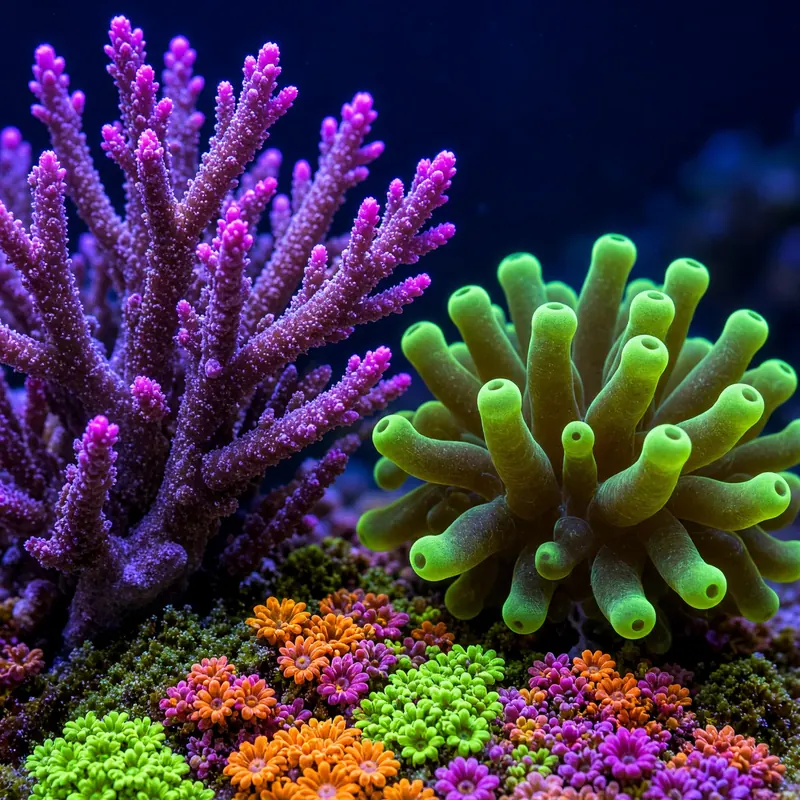
Branching and fleshy corals glowing under blue reef light

Corals2 min read

Where to place a new coral

Light fades and flow softens as you go down a tank. Match each coral to the zone it likes and it will color up and grow.

  • Top third: SPS like Acropora and Montipora want bright light and strong flow.
  • Middle rock: most LPS, like torches, hammers and Goniopora, like moderate light and gentle, indirect flow.
  • Low rock and sand: fleshy LPS like Acanthophyllia, open brains and Cynarina, plus Ricordea and Blastomussa, prefer shade and calm water.

Leave room around new arrivals. Bubble, torch, hammer and elegance corals put out sweeper tentacles that can sting neighbors several inches away, often at night.

See it drawn out in our interactive coral guide.

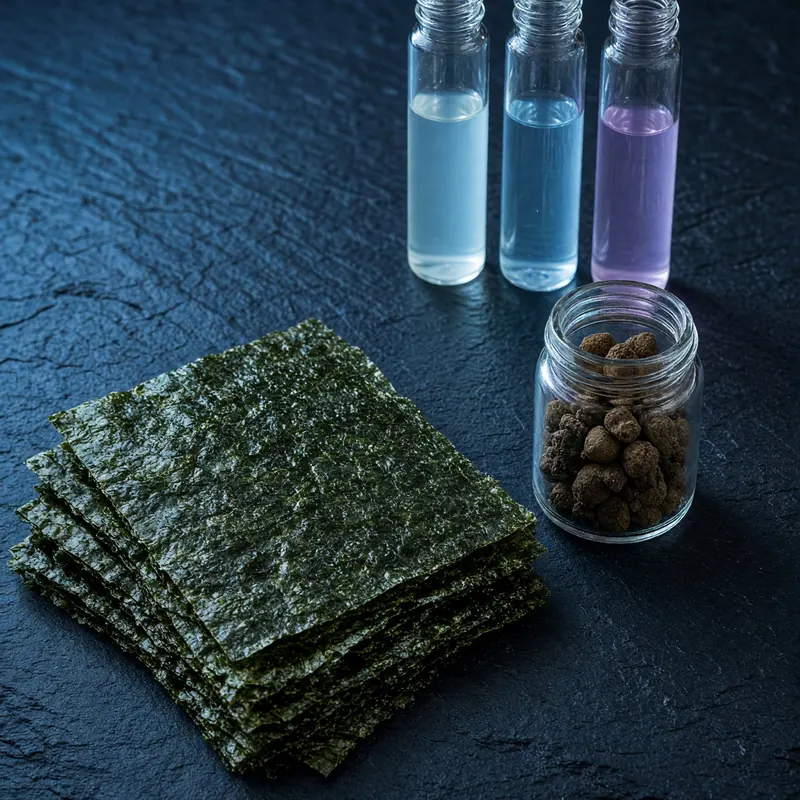
Water test vials and fish food on dark slate

Water3 min read

The water numbers that matter

These are the ranges we recommend for a thriving reef. Stable beats perfect: a number that holds steady slightly off target is safer than one that swings.

  • Specific gravity1.024?1.026
  • Temperature75?78?F
  • pH8.1?8.4
  • Alkalinity8?9 dKH
  • Calcium380?450 ppm
  • Magnesium1,300?1,450 ppm
  • Nitrate10?30 ppm
  • Phosphate0.01?0.1 ppm
  • NitriteUndetectable
  • AmmoniaUndetectable

Nitrate and phosphate shouldn?t sit at zero. Corals use a little of both, which is why our targets start above zero. Ammonia and nitrite should always test undetectable; if either shows up, retest and hold off on new livestock until it clears.

Type your results into the water checker at the top of this page.

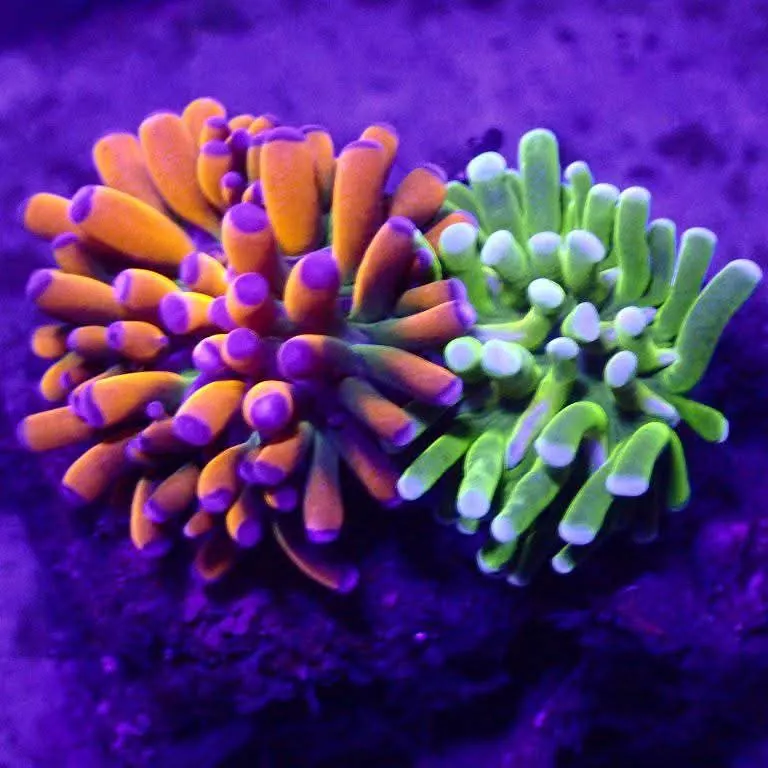
Tiger Torch and Cotton Candy Torch corals

Corals2 min read

Feeding corals: who needs what

Most corals get much of their energy from light, through algae living in their tissue. Many still do better with a meal.

  • Fleshy LPS (Acanthophyllia, brains, elegance and bubble corals): target-feed meaty foods like mysis or LPS pellets 1?3 times a week. Many put out feeder tentacles at night.
  • Goniopora: small particle foods such as reef roids or phytoplankton, 2?3 times a week.
  • Soft corals like Daisy Coral: no feeding needed, though occasional phytoplankton helps color.
  • Cleanup crew: shrimp need chopped meaty foods or pellets; snails graze algae and take nori or algae wafers when it runs low.

Feed less, more often. Uneaten food turns into nitrate and phosphate.

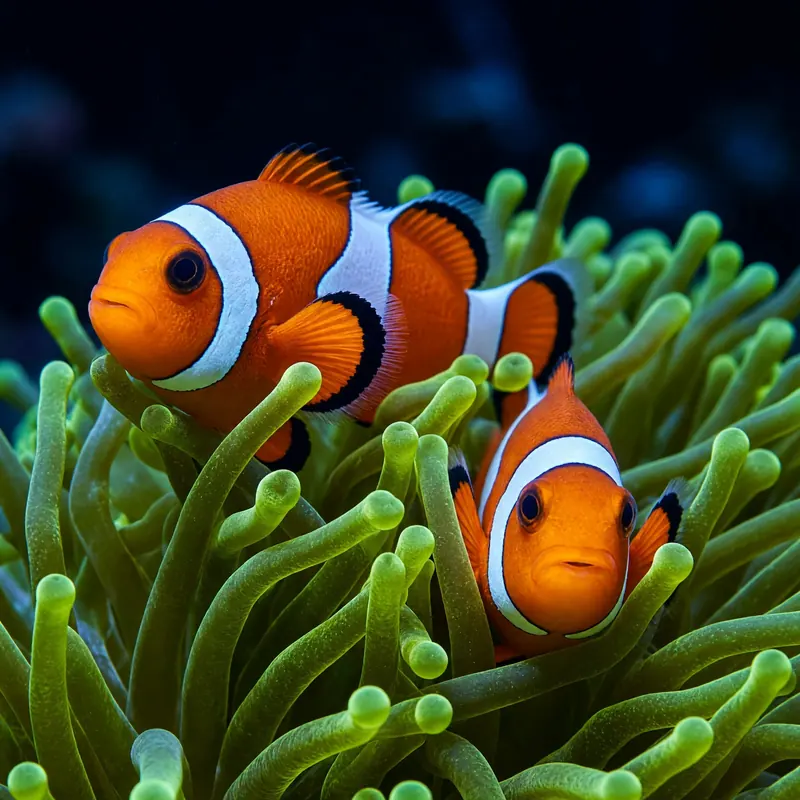
Two clownfish in a green anemone

Fish2 min read

Why we recommend quarantine for new fish

We strongly recommend a dedicated quarantine tank for every new fish. Adding new arrivals straight to your display carries real risk.

A properly cycled quarantine setup is one of the best investments you can make for the long-term health of your reef. It gives you time to watch a new fish eat and settle before it meets the rest of your livestock.

Check compatibility, too. Some fish don?t get along, and some will hunt your cleanup crew: aggressive wrasses, hawkfish and triggers can see a cleaner shrimp as a snack.

Not sure about a pairing? Ask before you buy. We?re happy to talk compatibility.

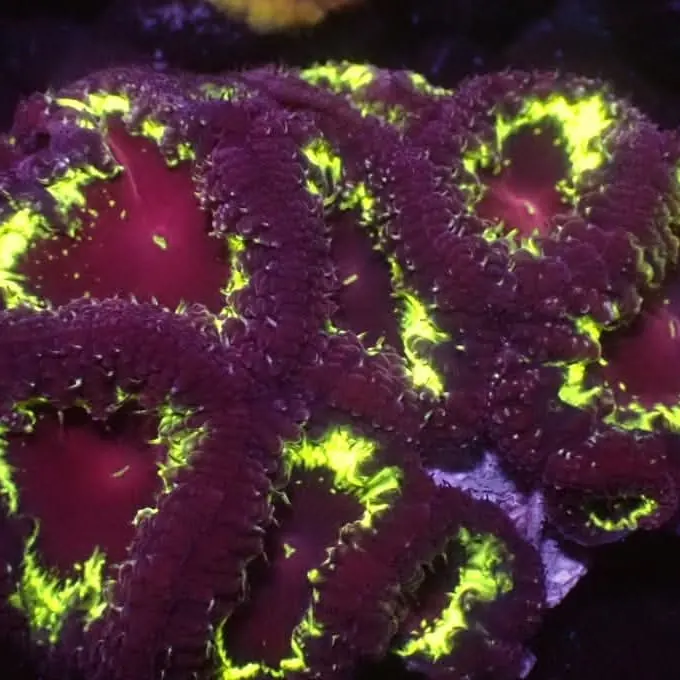
Blastomussa polyps in deep red with neon green rims

Beginner2 min read

Choosing your first corals

Start with corals that forgive small mistakes while your tank, and your routine, settles in.

Hold off on Goniopora until you have some LPS experience, and on carpet anemones until you?re experienced: they need strong light and stable, mature water.

Tell us about your tank and we?ll suggest a first coral that fits it.

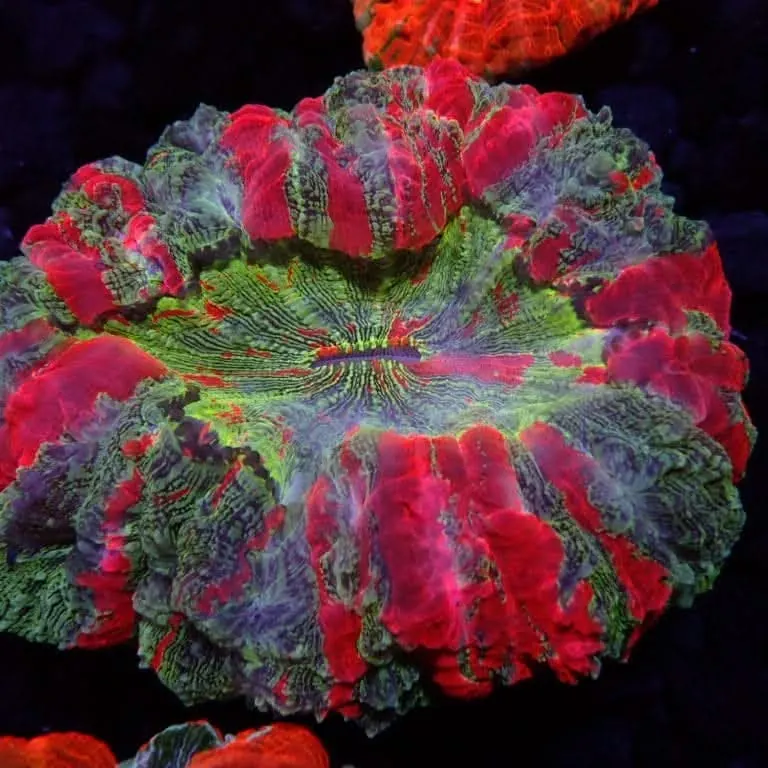
A red and green Acanthophyllia photographed in our tank

Basics2 min read

WYSIWYG, frags and aquacultured, explained

WYSIWYG
What you see is what you get: the coral in the photo is the exact piece you?ll receive.
Frag
A small piece of coral mounted on a plug or disc and grown into a new colony. Frags are affordable and adapt well to home tanks.
Aquacultured
Grown in tanks or farms rather than collected from wild reefs. Aquacultured corals are used to aquarium life and leave natural reefs alone.
Colony
A larger, established coral made up of many polyps.

Every coral we list is photographed in our tanks, so you can see exactly what you?re buying.

Browse the current tanks to see it in practice.

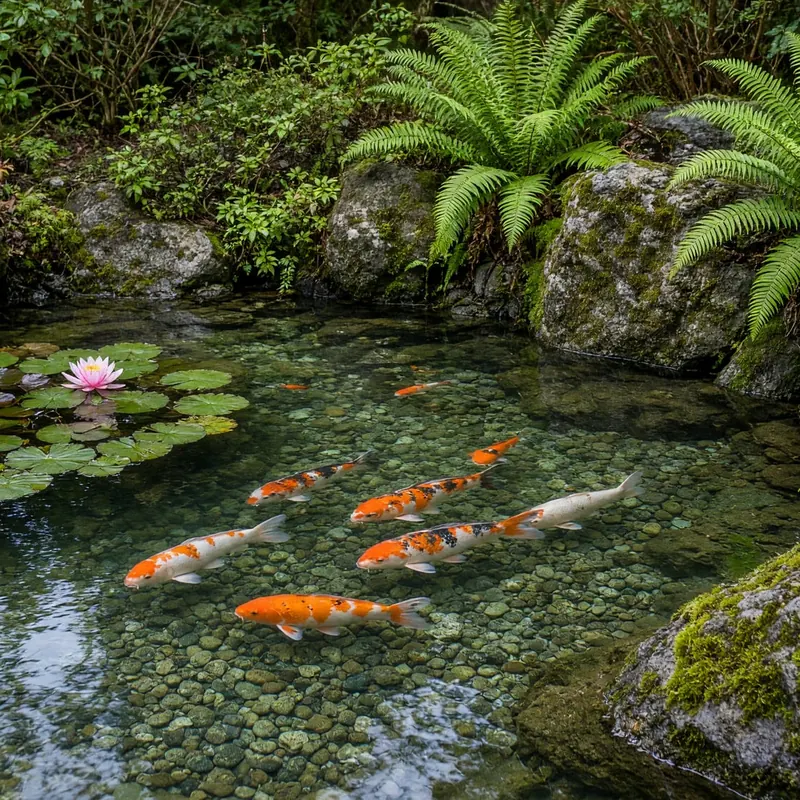
A backyard koi pond with water lilies and ferns

Ponds3 min read

Pond care through the Oregon seasons

Oregon?s wet winters and warm summers each bring their own pond chores. Here?s the rhythm we follow.

Spring

Clear out winter debris, restart pumps and filters, and test the water before you start feeding again.

Summer

Warm water holds less oxygen and grows more algae. Keep filters rinsed, add aeration on hot days, and stay on top of algae.

Fall

Net the pond before the leaves drop, cut back plants, and ease off feeding as the water cools.

Winter

Keep air moving and pumps checked through the wet months. Your koi slow right down.

Rather hand it off? We offer seasonal pond maintenance.

Reef glossary

Reef talk, translated.

The words you?ll see on our listings and hear at the counter.

Actinic
Blue reef lighting that makes corals fluoresce.
Acclimation
Slowly adjusting a new animal to your tank?s temperature and water chemistry.
Aquacultured
Grown in tanks or farms instead of collected from the wild.
Cleanup crew
Snails, shrimp, stars and other inverts that eat algae and leftovers.
Dip
A short bath for new corals that knocks off pests before they reach your tank.
Frag
A small coral piece on a plug, grown into a new colony.
LPS
Large-polyp stony corals: fleshy corals like torches, hammers and brains.
PAR
A measure of the light corals can use. Higher PAR means stronger light.
Quarantine
A separate tank where new fish are watched before they join your display.
RO water
Water purified by reverse osmosis, used to mix saltwater and top off evaporation.
SPS
Small-polyp stony corals like Acropora and Montipora that want strong light, strong flow and stable water.
Sweeper tentacles
Long stinging tentacles some corals put out, often at night, to claim space.
WYSIWYG
What you see is what you get: the pictured coral is the one you receive.
Zooxanthellae
Algae living inside coral tissue that turn light into food for the coral.

Still have a question? Ask before you buy.

Send us a question (971) 374-4572